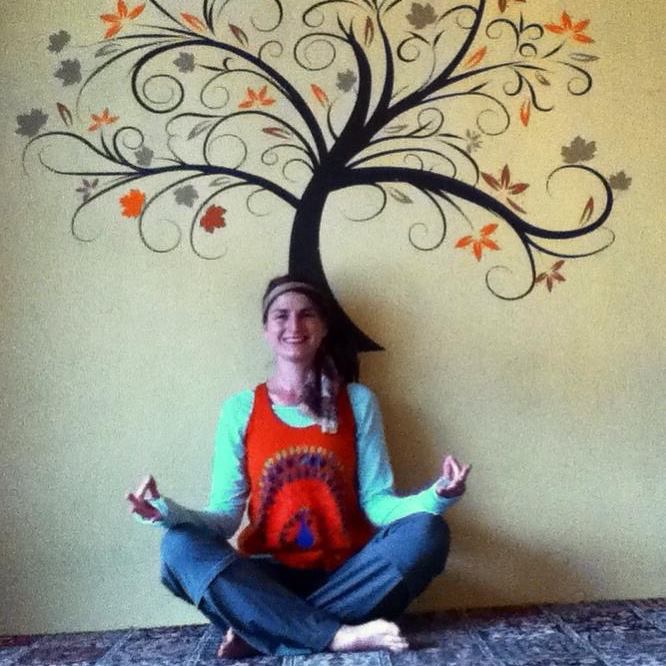
In the quest for tranquility and inner balance, the art of yoga has gifted us with many powerful tools. Pranayama, the practice of controlled breathing, is one such tool that can transform our lives. Among the various techniques, the Pranayama Three-Part Breath stands out as a profound and effective method for achieving a deep sense of calm. In this post, we explore the practice of Pranayama Three-Part Breath and its benefits.
The Three-Part Breath Technique:
Pranayama Three-Part Breath, also known as Dirga Pranayama, is a simple yet highly effective breathing exercise. It involves three distinct phases: the lower, middle, and upper breath. Let’s delve into each phase:
- Lower Breath (Abdominal):
- Find a comfortable seated or reclined position.
- Place one hand on your abdomen and the other on your chest.
- Inhale deeply, filling your abdomen with air. Feel your hand rise as your diaphragm expands.
- Exhale fully, drawing your navel in towards your spine.
- This phase focuses on engaging the diaphragm and expanding the lower part of your lungs.
- Middle Breath (Thoracic):
- After mastering the lower breath, move your attention to your chest area.
- Inhale deeply, allowing your chest to expand and rise. Feel the breath filling the middle part of your lungs.
- Exhale completely, feeling your chest gradually lower.
- This phase emphasizes the expansion of your chest cavity and ribcage.
- Upper Breath (Clavicular):
- Once you’ve practiced the lower and middle breath, add the upper breath.
- Inhale deeply, raising your shoulders and collarbone slightly as the breath fills the upper part of your lungs.
- Exhale fully, gently lowering your shoulders.
- This phase focuses on the uppermost part of your lungs.
Benefits of Pranayama Three-Part Breath:
- Stress Reduction: Dirga Pranayama encourages relaxation and stress relief by providing more oxygen to the body and calming the nervous system.
- Enhanced Focus: The deliberate and mindful nature of this practice can improve concentration and mindfulness.
- Improved Lung Capacity: Regular practice can help increase lung capacity and improve respiratory function.
- Emotional Balance: This breathwork can help you manage emotions and maintain a sense of calm in challenging situations.
- Better Sleep: Practicing Pranayama Three-Part Breath before bedtime can promote better sleep quality.
Incorporating the Pranayama Three-Part Breath into your daily routine can be a transformative experience. By mastering this technique, you gain a powerful tool for managing stress, improving your focus, and cultivating emotional balance. As you embark on this journey, remember that the breath is a bridge between your body and mind, and with each inhale and exhale, you can discover serenity and strength within yourself.
 Nimblelimbs